CWA_Sunset_4k.jpeg
ClimateWatch App
Download the
CWA_Sunset_4k.jpeg
Slide Two
Slide Two
previous arrow
next arrow
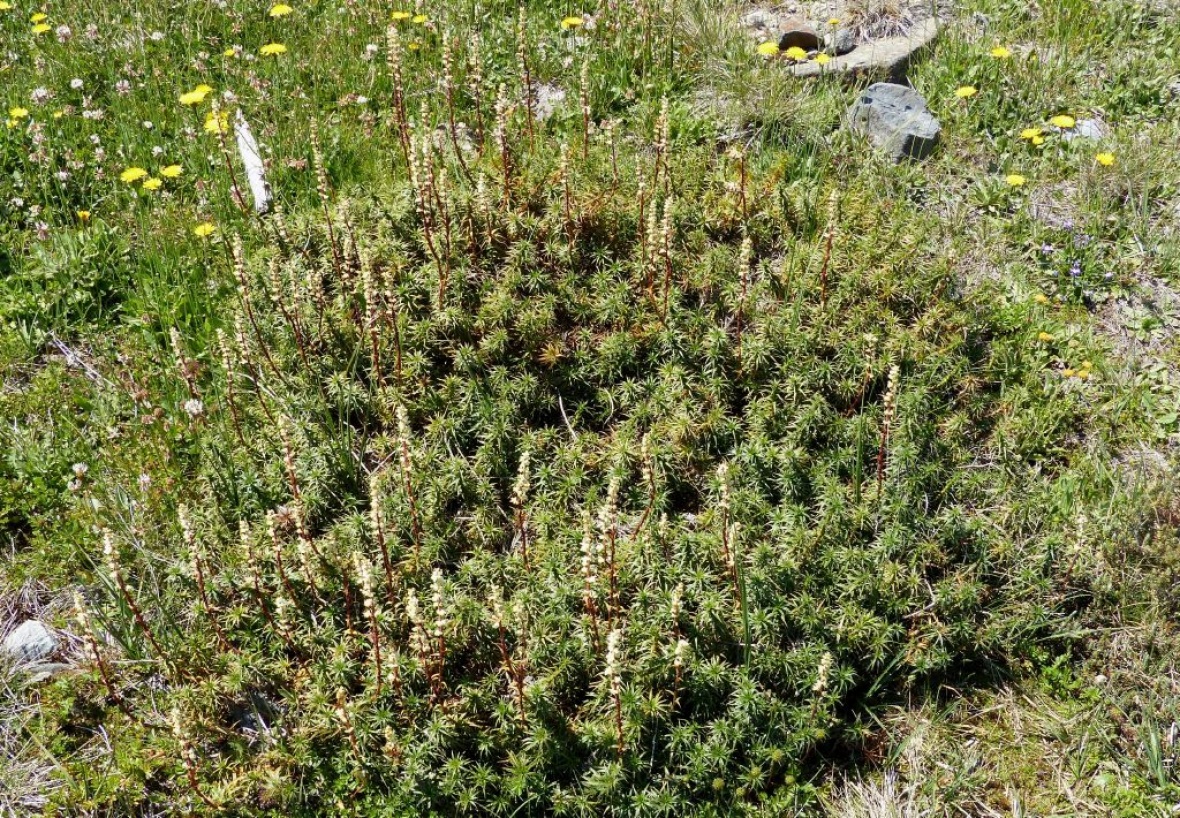
Candle Heath Neil Blair/RBGV

Candle Heath

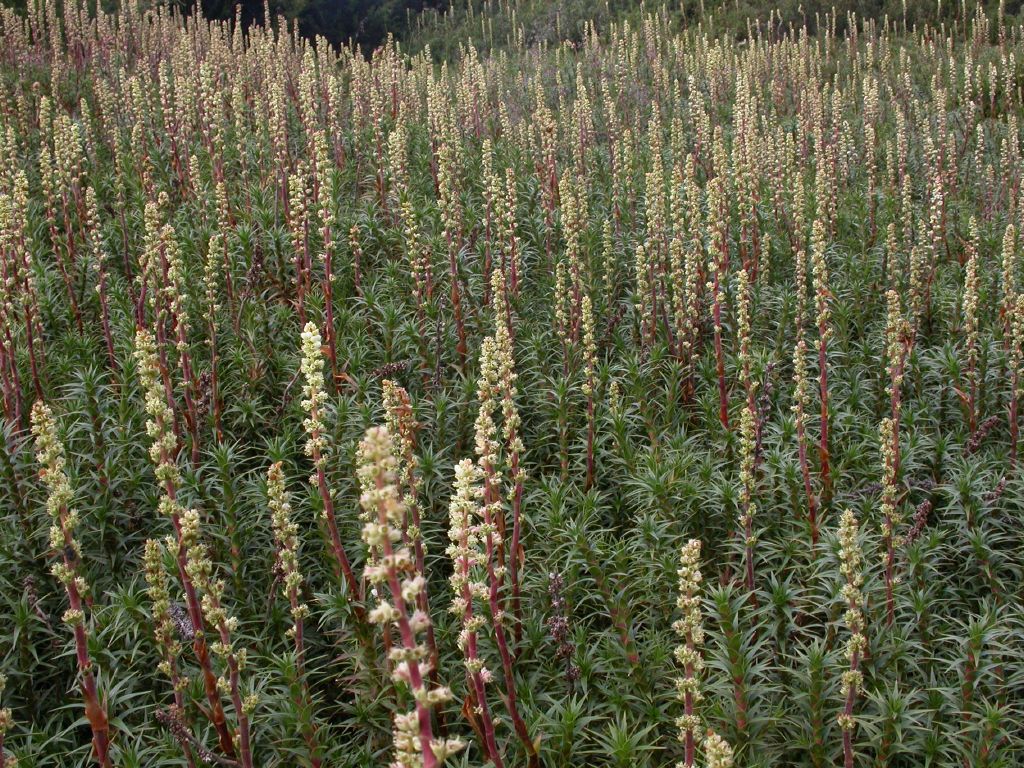
Dense, multi-branched shrub forming extensive colonies, grows to approximately 50 - 100 cm tall.

Leaves

Leaves are erect and spread outwardly, shape varies from leaf to leaf but they generally are lance-shaped and have sharp points. All leaves are of a similar bright green colour.

Flowers

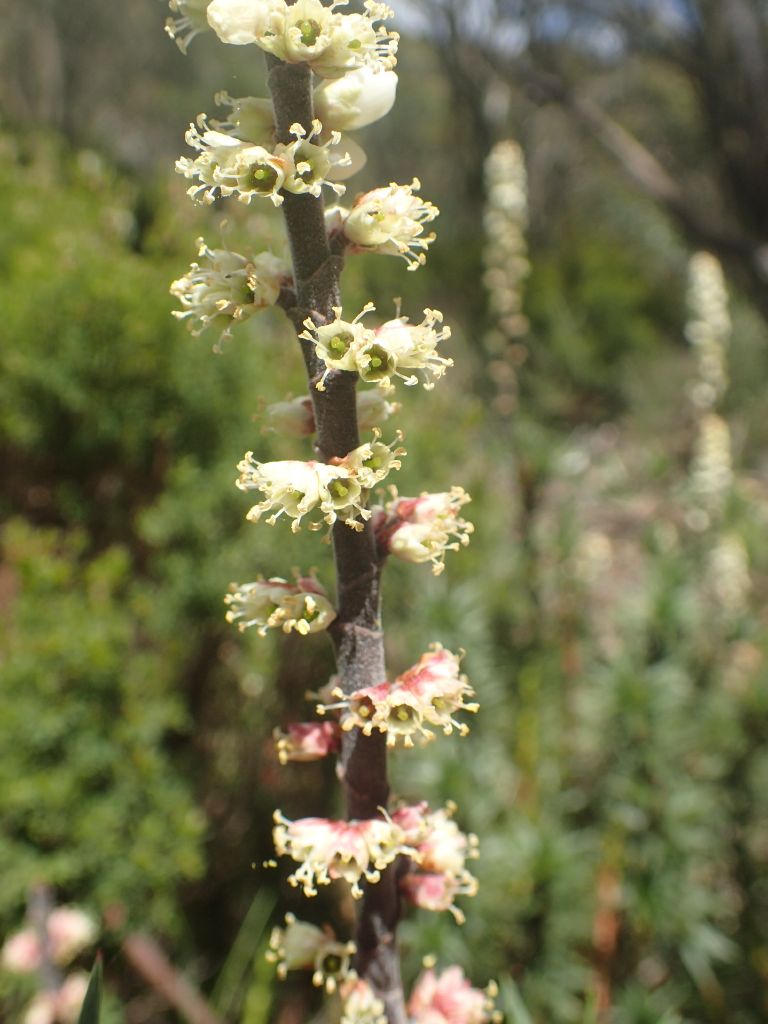
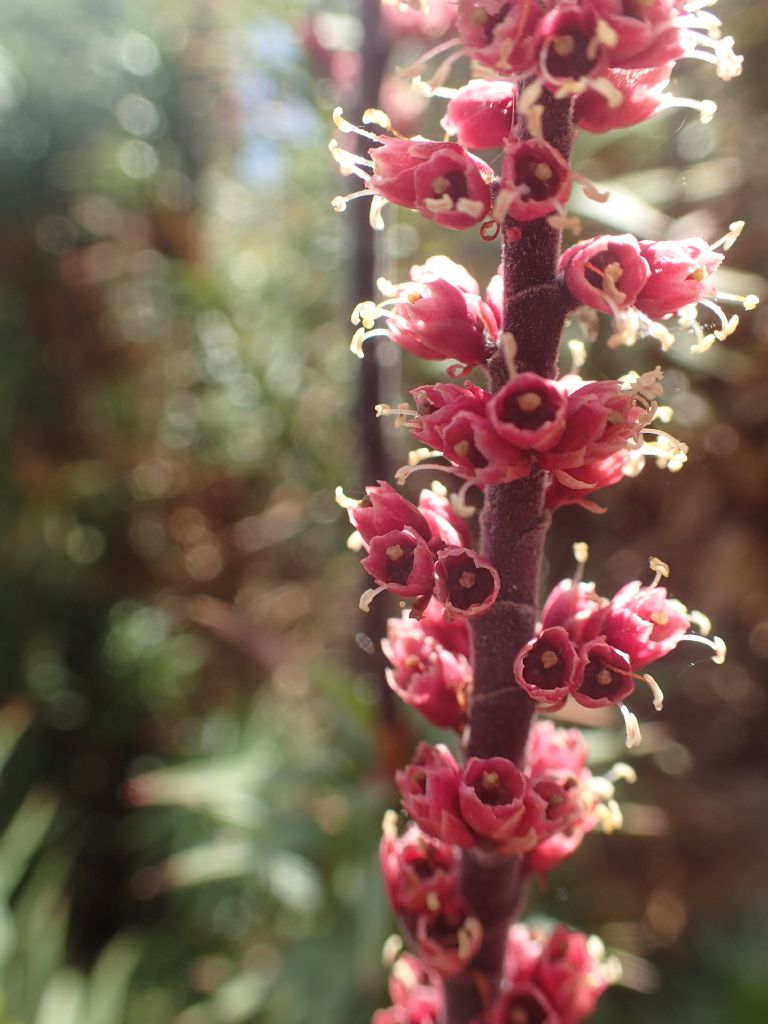
Flowers December to February. The flowers of candle heath branch out above the shrub on a red stalk measuring between 10 - 30 cm. Fragrant, greenish-white flowers bloom on the terminal end of the stalk. The flowers are trumpet-shaped and are 4 - 8 mm long and 4 - 5 mm in diameter.

Fruits/Seeds

Approximately 3 – 5 mm in diameter.

Field Guide

Improve your identification skills. Download your Candle Heath field guide here!

Species: WhatToObserve Image

What to Observe

  • First fully open single flower

  • Full flowering (record all days)

  • End of flowering (when 95% of the flowers have faded)

  • Open seed pods containing seeds (record all days)

Climate Adaptations

Climate change will directly affect the ecological communities in which this alpine species resides. An increase in temperature and extreme heat events will reduce viable habitat for this species.
Species: WhenAndWhere Image

When and Where

When To Look

  • Flowering between December and February

Where To Look

  • Snowy Mountains and the western edge of the Australian Capital Territory
  • In montane to alpine wet heathland near watercourses or bogs, usually associated with sphagnum moss
Species: WhatElse Image

What Else?

Candle heaths can be used to deter animals in gardens, due to their prickly leaves.
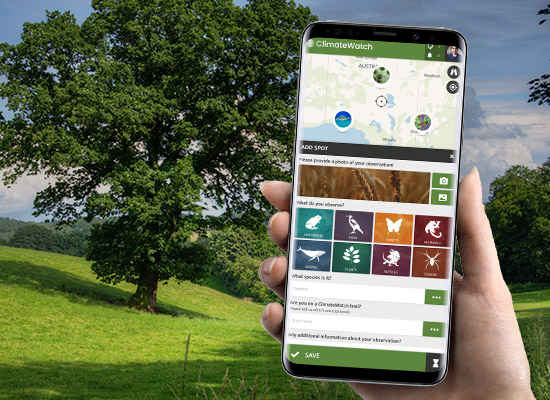
ClimateWatch smartphone app

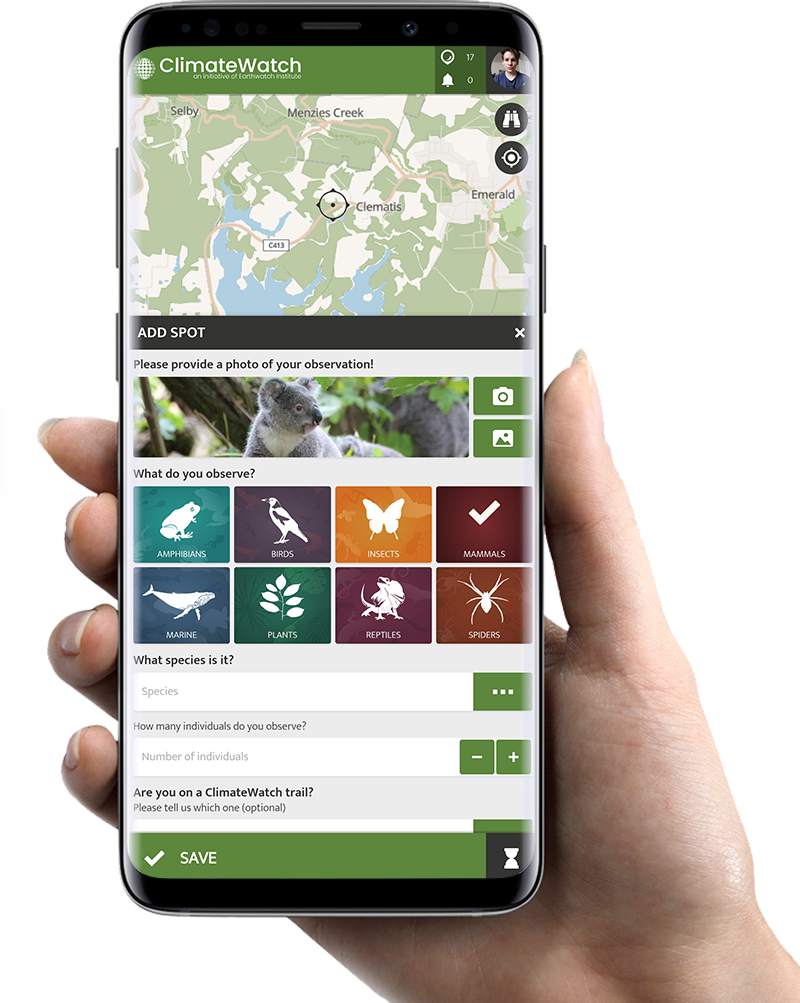
Step 1: Citizen Science App Download

App Download

Download and install the free App on your Android device or on your iPhone via the App Stores linked below
Step 2: Register your SPOTTERON Citizen Science user account

Register

After starting the App, you can register your own user account on the platform with just your email address.
Step 3: Login and contribute in the Citizen Science App

Start!

Start observing! You are automatically logged-in after registering and you can add your first spot right away.


Download the App on your smartphone now or open the map in your browser:

 Badge App Download Android Badge App Download iPhone Open map

Latest Contributions

Janelle Woodward
Date: 03.05.2026

Graemehart
Date: 02.05.2026

Elizabeth Irvine
Date: 01.05.2026

Faye2026
Date: 30.04.2026

fabianfok
Date: 30.04.2026

Nadia Dong
Date: 30.04.2026

Shannon Anstee
Date: 30.04.2026

Shannon Anstee
Date: 30.04.2026

Dadayyk
Date: 30.04.2026

Shannon Anstee
Date: 30.04.2026


See more Spots on the map