




CWA_Sunset_4k.jpeg
ClimateWatch App
Download the
CWA_Sunset_4k.jpeg
Slide Two
Slide Two
previous arrow
next arrow

Eastern Banjo Frog

Did You Know?

  • There is so much variation in colour, size and call, that scientists have grouped this species into five subspecies
  • The females have special flaps of skin on their fingers which are used to carry air bubbles from the surface of the water into the foam nest containing the eggs
FactBox Image

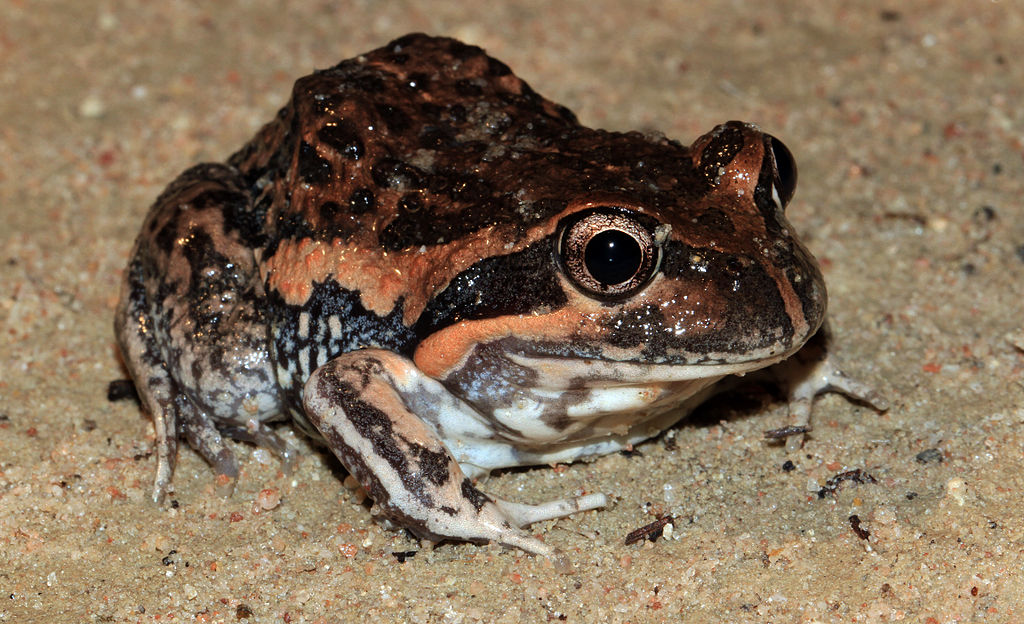
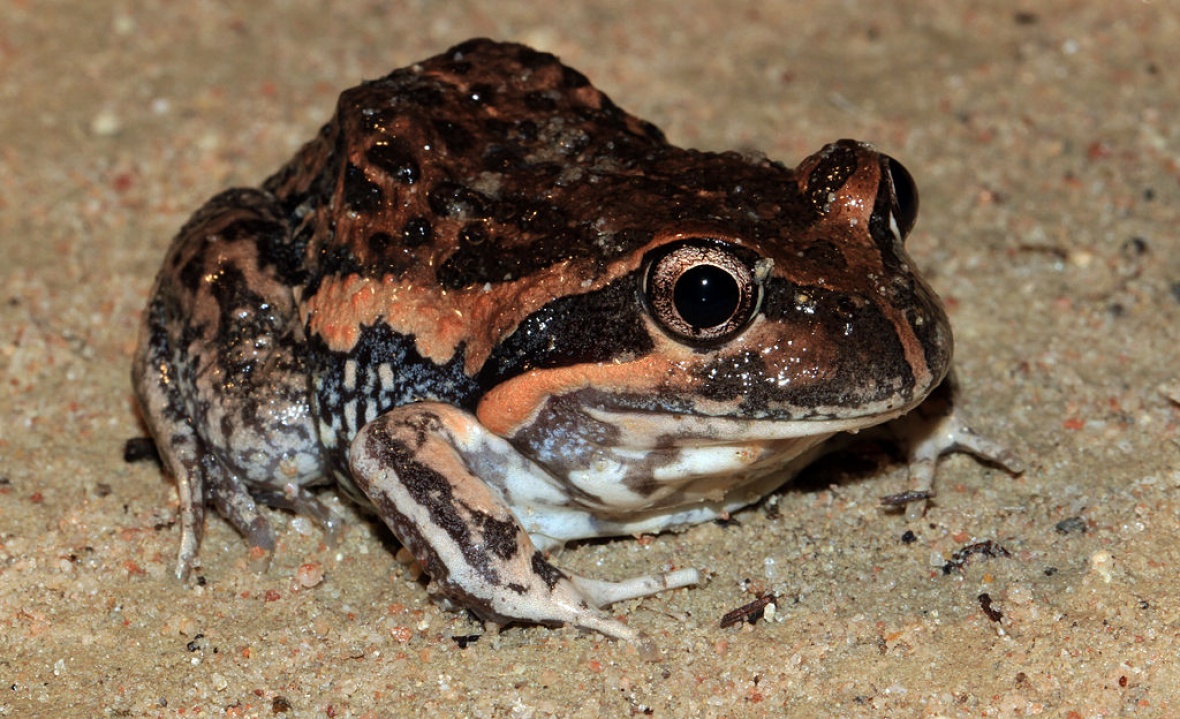
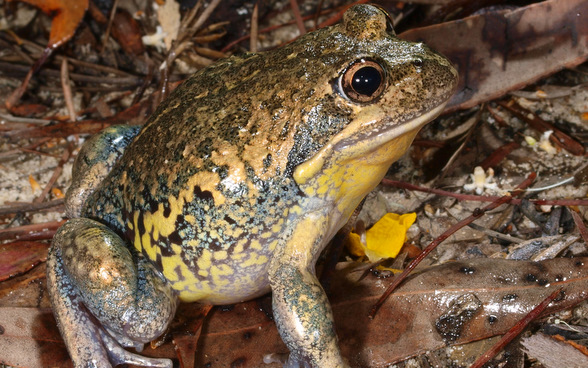
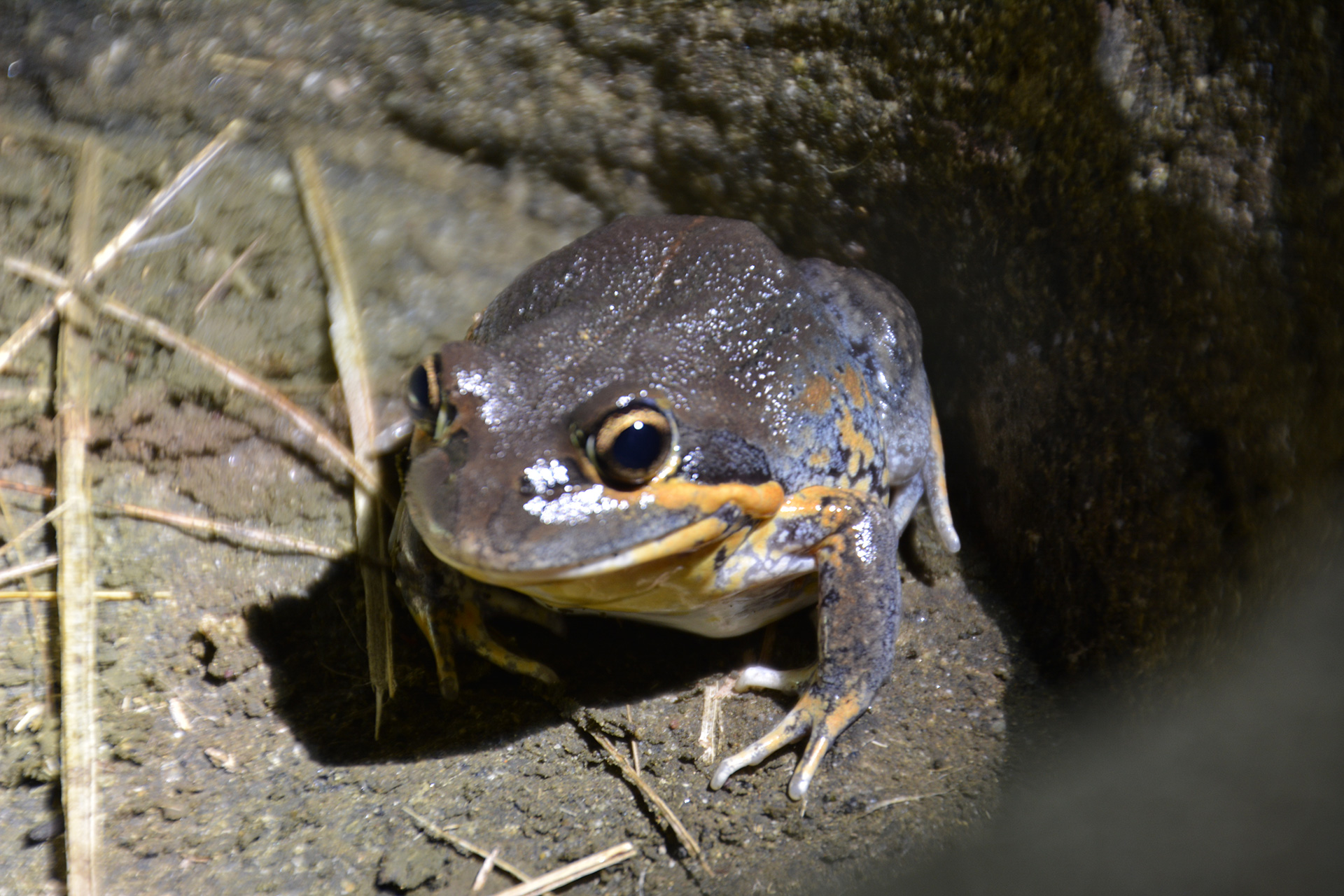
This frog goes by several common names: Eastern Banjo Frog, Eastern Pobblebonk Frog and Southern Bullfrog. The first two are based on its distinctive 'bonk' call which sounds similar to the string of a banjo being plucked.

Its back ranges from grey, to olive-green, dark brown or black, with dark marbling or flecks. It has a pale yellow stripe running from under its eye to its arm, a dark band above this, and may also have a pale stripe running down its back. Its sides commonly have a purple or bronze sheen, mottled with black. Its belly is white and sometimes mottled with grey. Its back is warty and rough but its belly is smooth.

Distinctive feature

A prominent gland on the outer side of its hind leg (its shin) and a fleshy lump at the base of each hind foot.

Size

5 - 8.5 cm

Behaviour

Call

Males call when in water and concealed by floating vegetation, or less commonly from the water’s edge. When one frog starts to call, others will often join in. Their call is a single “bonk” or “plonk” and is usually repeated every few seconds. Some individuals will produce a rapid series of “bonk-bonk-bonk”.

Listen to the Eastern Banjo Frog call © Nature Sounds/David Stewart

Diet

Small invertebrates, for example flies and other small insects.

Movement

During dry periods it burrows into the ground and waits for rain, after which it emerges to feed and breed.

Breeding

Males call to attract females from August though to April, most intensely after heavy rain. Females lay their eggs in a floating foam of bubbles (often attached to and concealed in vegetation) in the still waters of swamps, streams, dams and ponds.

Field Guide

Improve your identification skills. Download your Eastern Banjo Frog field guide here!
Species: WhatToObserve Image

What to Observe

  • Calling

  • Courting/Mating

  • The appearance of eggs

Species: WhenAndWhere Image

When and Where

When To Look

  • From August through to April (breeding season)
  • Listen for males calling at night, particularly after rain

Where To Look

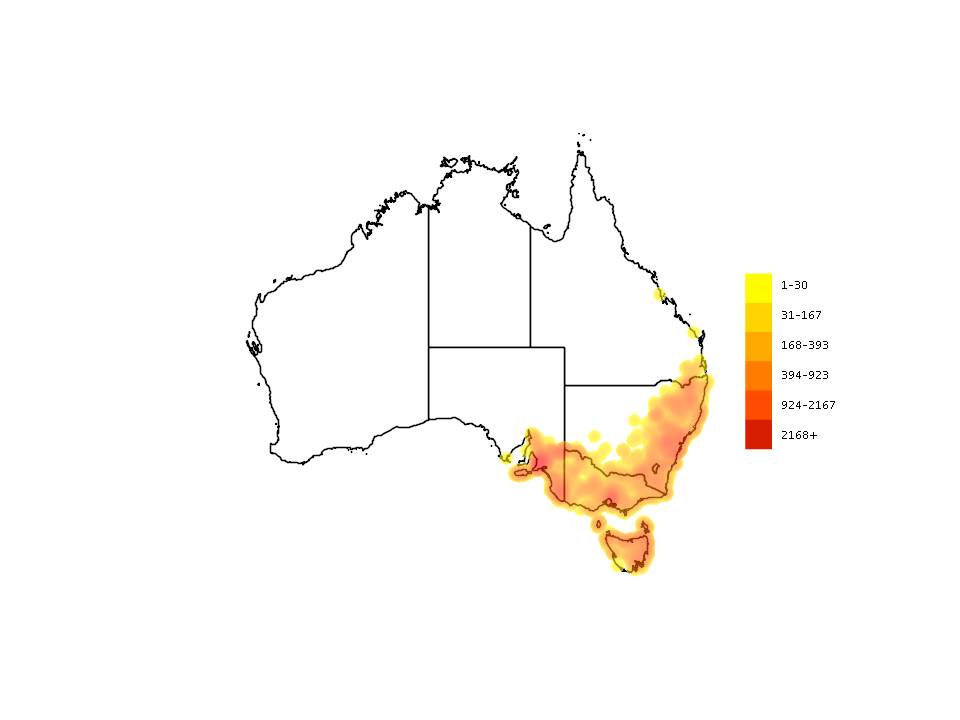
  • In south-eastern Australia, including southern Queensland, eastern and southern New South Wales, south-eastern South Australia, Victoria and Tasmania
  • In a wide range of habitats near still water, including woodlands, rainforests, farmlands and grasslands, but not in alpine areas or extremely arid zones
  • Common in urban areas around garden ponds
Species: WhatElse Image

What Else?

Similar Species

  • Northern Banjo Frog/Northern Bullfrog (Limnodynastes terraereginae) has red colouration around its groin.
  • Giant Banjo Frog (Limnodynastes interioris) has a bright orange or yellow belly with no mottling.
  • Common Spadefoot Toad (Neobatrachus sudelli) doesn’t have the gland on the outer side of its hind legs.
  • Giant Burrowing Frog (Heleioporus australiacus) doesn’t have the gland on the outer side of its hind legs.
  • Mallee Spadefoot Toad (Neobatrachus pictus) doesn’t have the gland on the outer side of its hind legs.

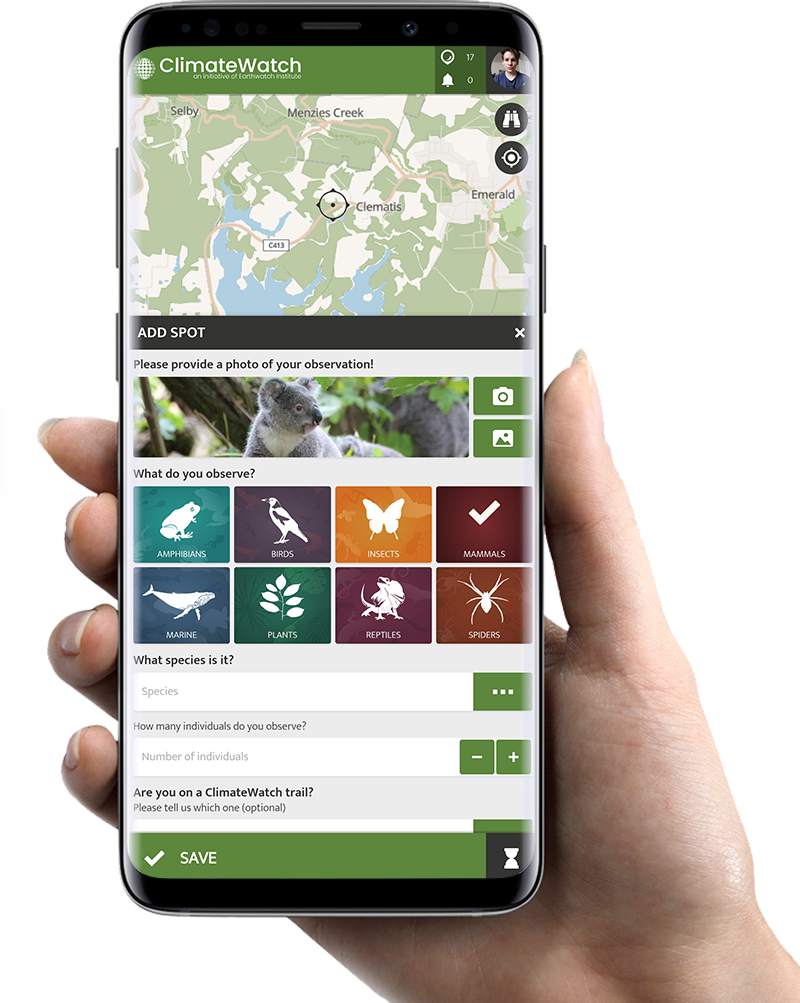
ClimateWatch smartphone app

Step 1: Citizen Science App Download

App Download

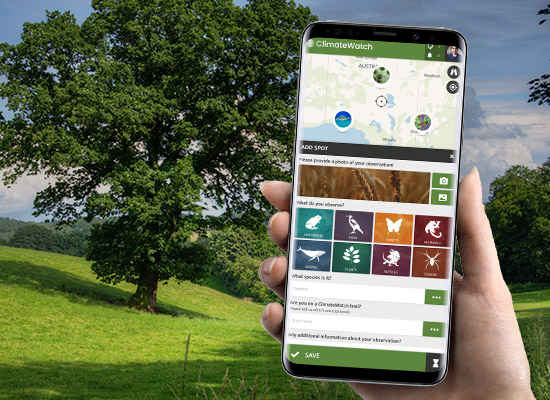
Download and install the free App on your Android device or on your iPhone via the App Stores linked below
Step 2: Register your SPOTTERON Citizen Science user account

Register

After starting the App, you can register your own user account on the platform with just your email address.
Step 3: Login and contribute in the Citizen Science App

Start!

Start observing! You are automatically logged-in after registering and you can add your first spot right away.


Download the App on your smartphone now or open the map in your browser:

 Badge App Download Android Badge App Download iPhone Open map

Latest Contributions

Fetukai, Year 9
Date: 10.06.2026

Dhruvi
Date: 10.06.2026

Dhruvi
Date: 09.06.2026

Dhruvi
Date: 09.06.2026

Dhruvi
Date: 09.06.2026

Dhruvi
Date: 09.06.2026

Dhruvi
Date: 09.06.2026

Dhruvi
Date: 09.06.2026

Dhruvi
Date: 09.06.2026

Dhruvi
Date: 09.06.2026


See more Spots on the map