




CWA_Sunset_4k.jpeg
ClimateWatch App
Download the
CWA_Sunset_4k.jpeg
Slide Two
Slide Two
previous arrow
next arrow
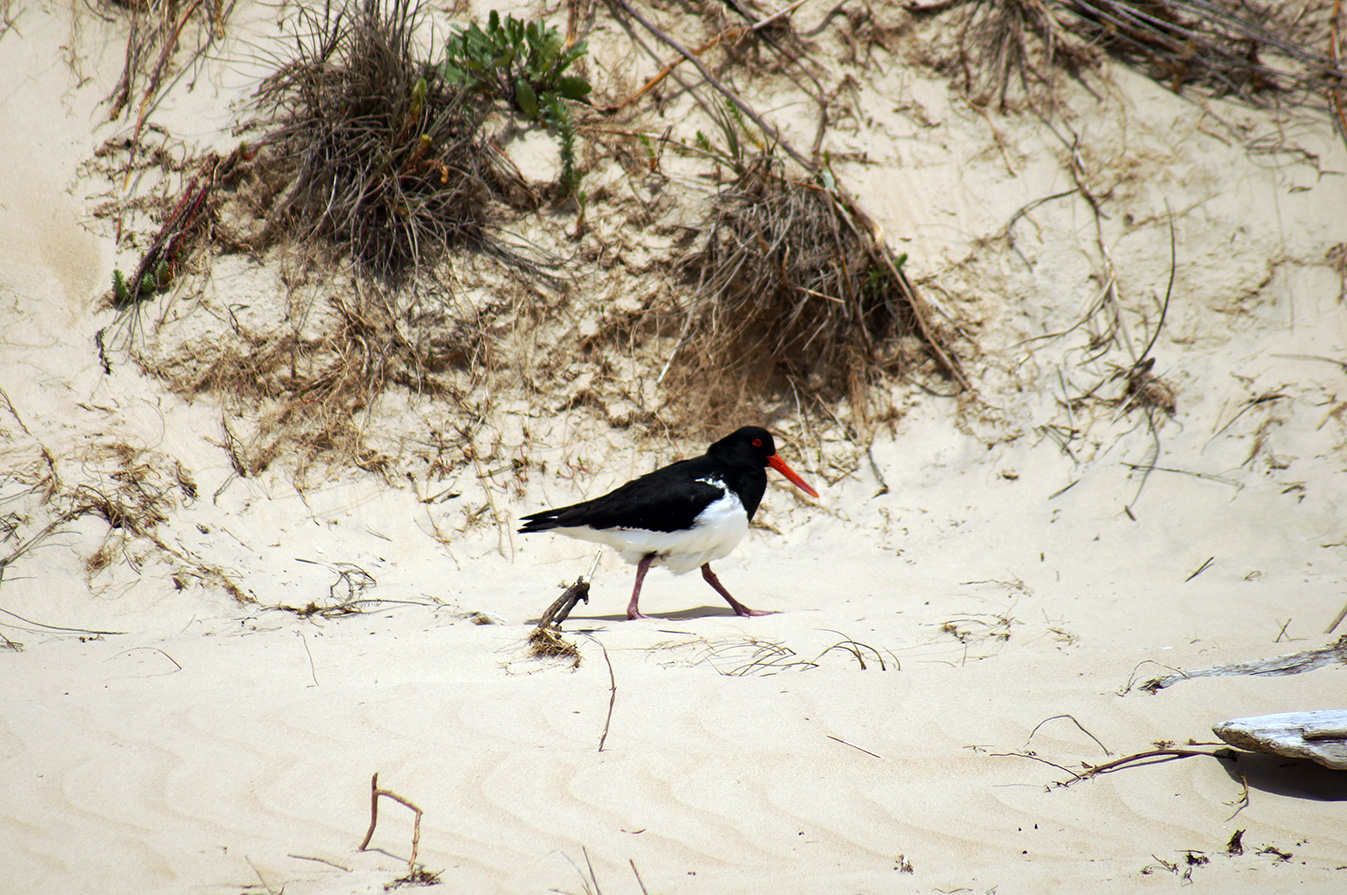
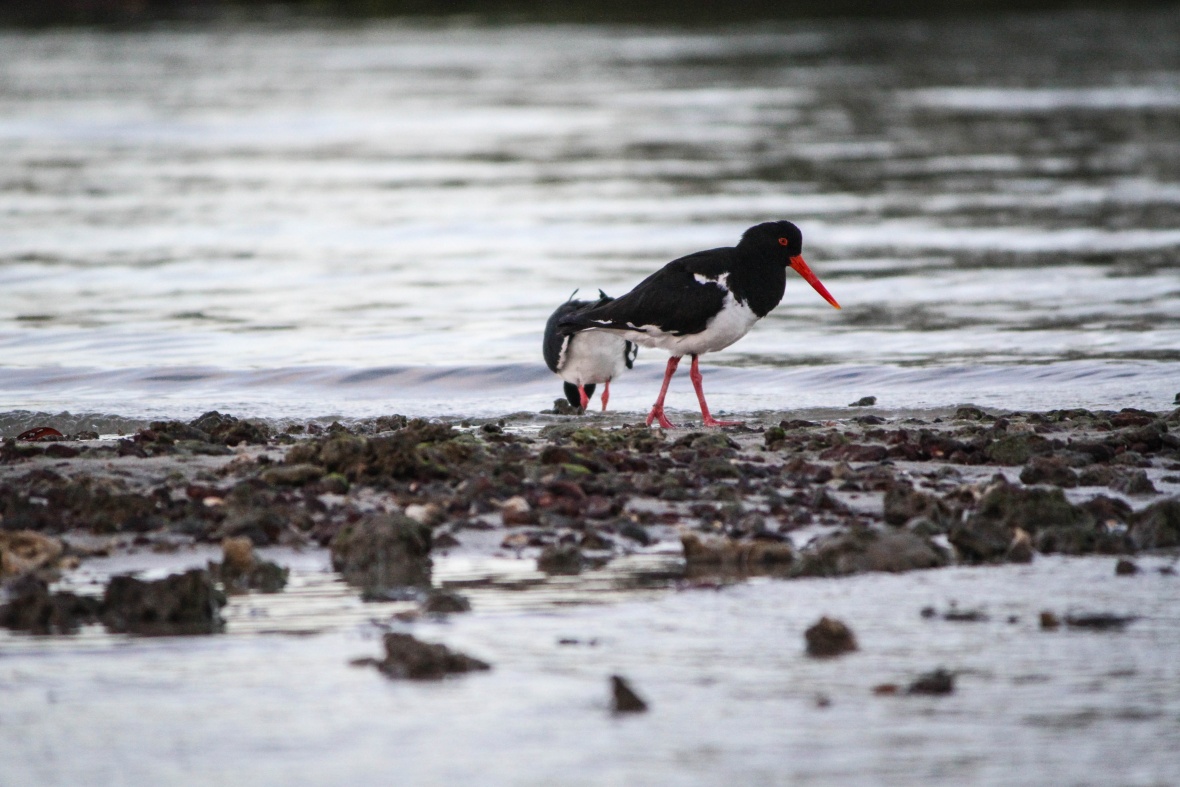
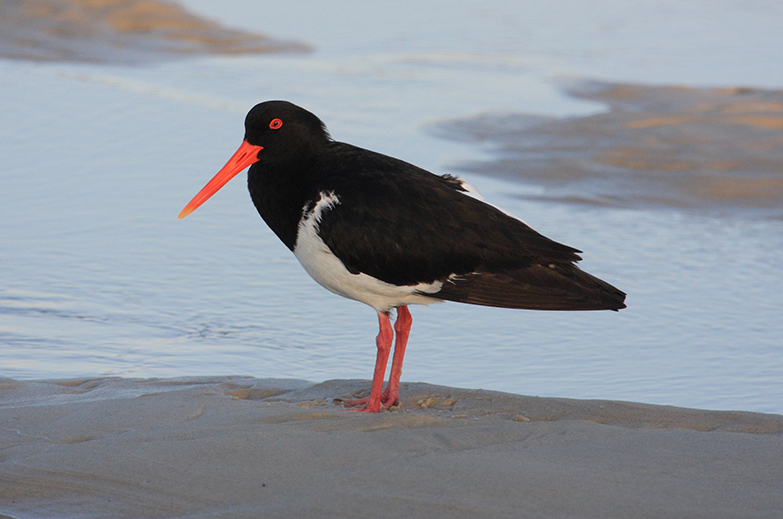
Australian Pied Oystercatcher Yue Chin Chew/ClimateWatch user

Australian Pied Oystercatcher

Did You Know?

  • Oystercatchers are experts at catching sand worms that fisherman prize for bait.
  • A breeding pair typically reuses a nest site over many years and will rarely change its nesting area.
FactBox Image

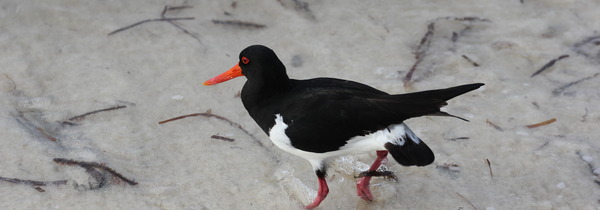
A medium shorebird with long skinny legs and a long beak. The Oystercatcher has a black head and black with a white belly, orange-red eyes, and very distinctive orange legs and beak.

Size

50 cm long (from head to tail)

Behaviour

Diet

These shorebirds feed on bivalve molluscs prised apart with specially adapted bills. Food is found by probing their long, chisel-shaped bills in the mud. Oystercatchers are one of the few waders that feed their young with this specialised feeding technique.

Breeding

Breeds in pairs with a territory of 200 m defended by both birds. Both sexes share parenting duties. They nest on the sand just above high water mark on beaches, sandbars, margins of estuaries and lagoons. Eggs are well-camouflaged, pale brown with darker brown and black blotches and streaks.

Field Guide

Improve your identification skills. Download your Australian Pied Oystercatcher field guide here! 
Species: WhatToObserve Image

What to Observe

  • Courting/Mating

  • Presence

  • Feeding

  • Bird on nest

Climate Adaptations

Australian pied oystercatchers nest on the upper parts of sandy beaches and are one of the main predators for pipis (marine bivalves) and beach invertebrates. This makes them vulnerable to the effects of sea level rise, storm surges and overuse by humans. They are listed as vulnerable by the NSW government and scientists are worried that their numbers are slowly decreasing in the wild.

Species: WhenAndWhere Image

When and Where

When To Look

August to January for breeding. Throughout the year for presence.

Where To Look

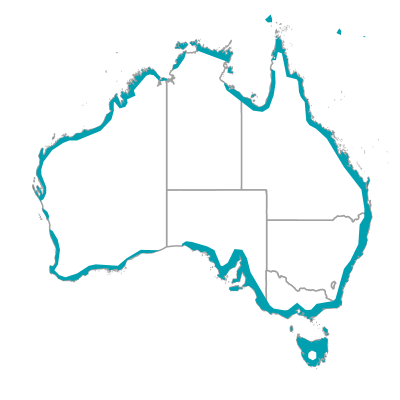
  • Throughout Australia, along the coast in every State
  • Mudflats, sandbanks and sandy ocean beaches
  • Often found in pairs
Species: WhatElse Image

Similar Species

Sooty oystercatcher (Haematopus fuliginosus), look similar to the pied oystercatcher, and can often co-occur on the same beach. The sooty oystercatcher lacks the white feathers and although their beaks and legs are dark red their bodies are completely black.

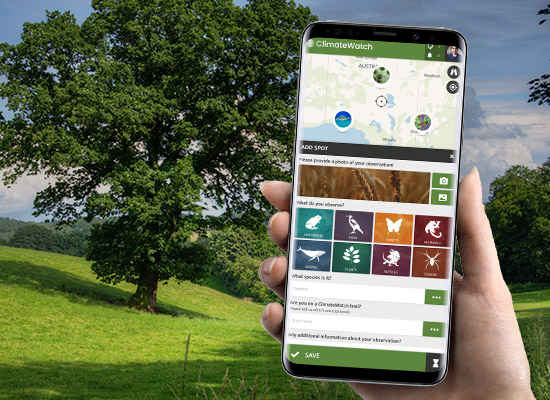
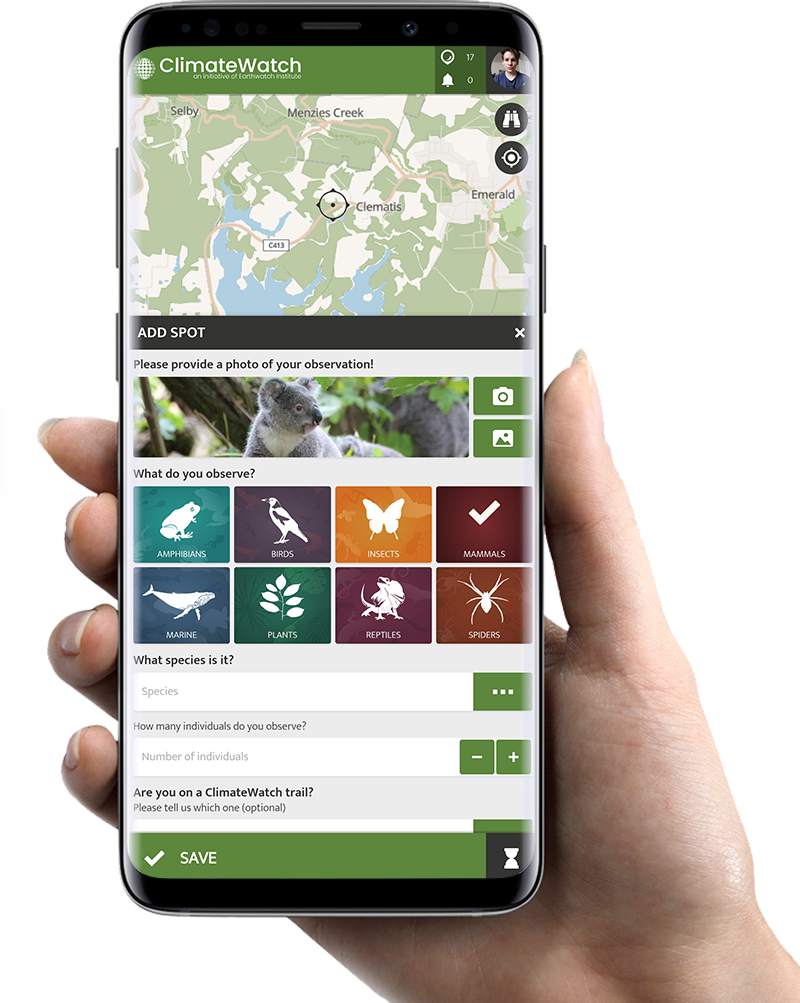
ClimateWatch smartphone app

Step 1: Citizen Science App Download

App Download

Download and install the free App on your Android device or on your iPhone via the App Stores linked below
Step 2: Register your SPOTTERON Citizen Science user account

Register

After starting the App, you can register your own user account on the platform with just your email address.
Step 3: Login and contribute in the Citizen Science App

Start!

Start observing! You are automatically logged-in after registering and you can add your first spot right away.


Download the App on your smartphone now or open the map in your browser:

 Badge App Download Android Badge App Download iPhone Open map

Latest Contributions

Dhruvi
Date: 09.06.2026

Dhruvi
Date: 09.06.2026

Dhruvi
Date: 09.06.2026

Dhruvi
Date: 09.06.2026

Dhruvi
Date: 09.06.2026

Dhruvi
Date: 09.06.2026

Dhruvi
Date: 09.06.2026

Dhruvi
Date: 09.06.2026

Shannon Anstee
Date: 09.06.2026

Janet Brown
Date: 07.06.2026


See more Spots on the map