



CWA_Sunset_4k.jpeg
ClimateWatch App
Download the
CWA_Sunset_4k.jpeg
Slide Two
Slide Two
previous arrow
next arrow
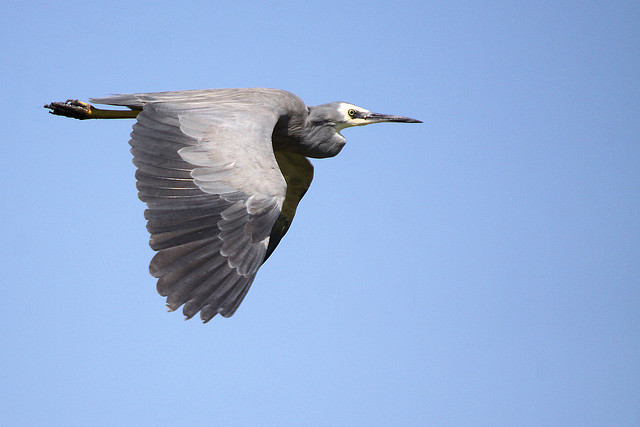
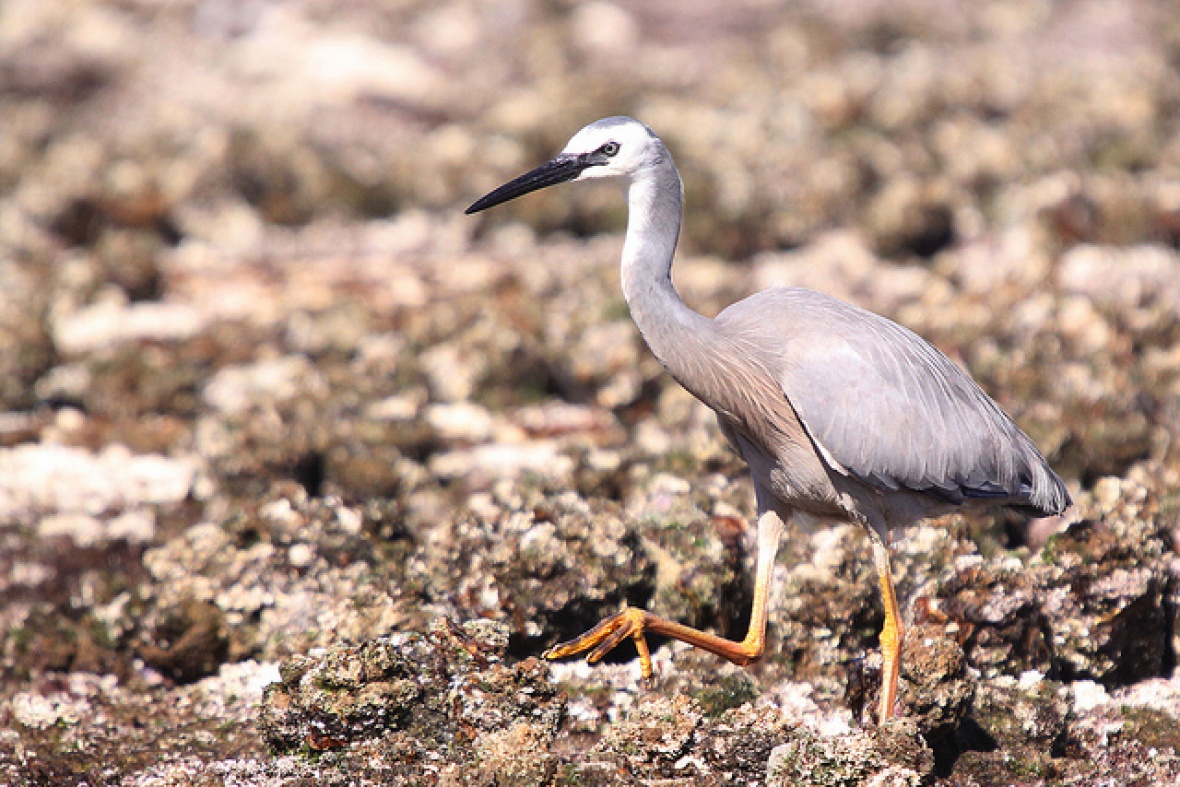
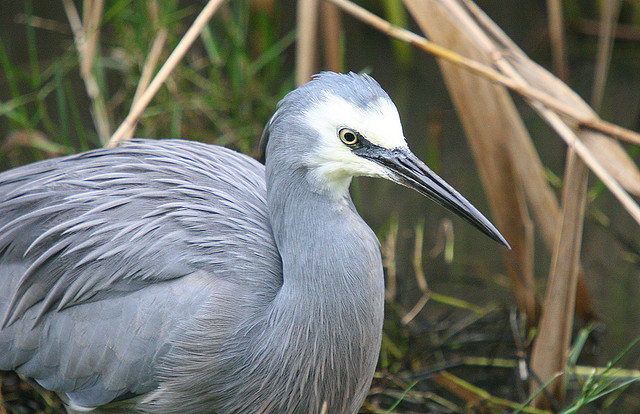
White-faced Heron Marj K/ClimateWatch user

White-faced Heron

Mostly light blue-grey in colour. The forehead, crown, chin and upper throat are white. It has a long, slim neck and a pointed grey-black bill. The legs are long and dull yellow in colour. Easily identifiable when seen from below with the dark flight feathers of the wing contrasting with the paler grey plumage.

Males and females are similar. When breeding, the birds have long feathers (nuptial plumes) on the head, neck and back. Young are similar in appearance to non-breeding adults, with little to no white on the face; underparts often have a reddish colour.

Distinctive feature

Its characteristic white face.

Size

60 - 70 cm in height

Behaviour

Diet

Feeds on many different species including fish, insects and amphibians. They find their prey by either searching through wetlands with their bill or standing, waiting and watching for movement in the water.

Flight

A slow bouncing flight.

Breeding

Breeding habits commence outside in response to rainfall. Both sexes share the responsibility of building the nest and incubating the egg. The nest is found in a tree and to the untrained eye resembles a bundle of untidy sticks. They only raise one brood of young a year.

Field Guide

Improve your identification skills. Download your White-faced Heron field guide here!
Species: WhatToObserve Image

What to Observe

  • Courting/Mating

  • Nest building

  • Calling

  • Feeding

  • Chicks

  • Bird on eggs

  • Bird on nest

  • Breeding plumage

Species: WhenAndWhere Image

When and Where

When To Look

Year round. Breeding from October to December.

Where To Look

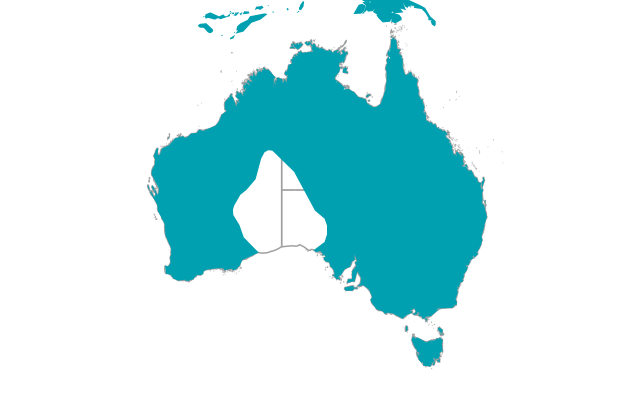
Across all of Australia, in wetland areas.

Species: WhatElse Image

What Else?

Similar Species

The White-necked Heron (Ardea pacifica) sometimes known as the Pacific Heron is a large heron with a white head and a long white neck with a double line of black spots running down the front. The upperparts of the body are slate-black, with plum-coloured nuptial plumes on the back and breast during the breeding season. Underparts are grey streaked with white. The bill is black, the naked facial skin is is blue or yellow, the eyes are green, and the legs and feet are black.

The Pied Heron (A. picata) is a similar slate-black heron with contrasting white throat and neck, but it is a much smaller (43 - 52 cm) bird, with a crested dark cap that extends below the eyes, yellow legs, and a bill that is mostly yellow.

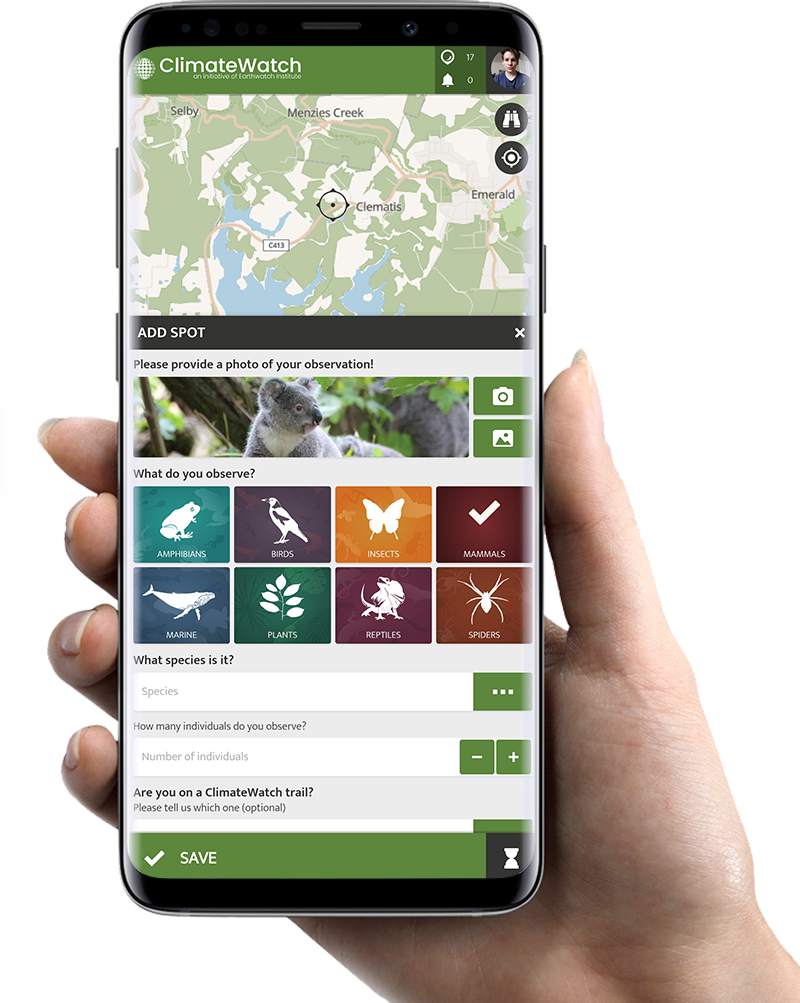
ClimateWatch smartphone app

Step 1: Citizen Science App Download

App Download

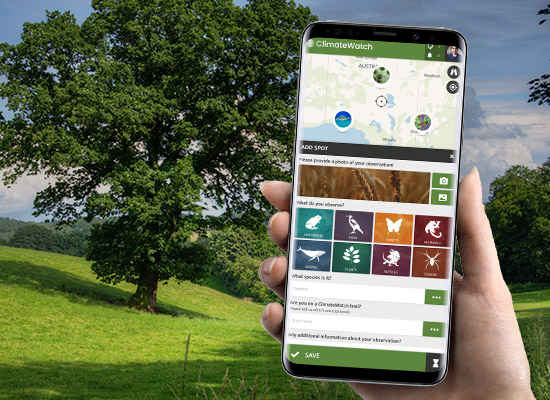
Download and install the free App on your Android device or on your iPhone via the App Stores linked below
Step 2: Register your SPOTTERON Citizen Science user account

Register

After starting the App, you can register your own user account on the platform with just your email address.
Step 3: Login and contribute in the Citizen Science App

Start!

Start observing! You are automatically logged-in after registering and you can add your first spot right away.


Download the App on your smartphone now or open the map in your browser:

 Badge App Download Android Badge App Download iPhone Open map

Latest Contributions

Dhruvi
Date: 09.06.2026

Dhruvi
Date: 09.06.2026

Dhruvi
Date: 09.06.2026

Dhruvi
Date: 09.06.2026

Shannon Anstee
Date: 09.06.2026

Janet Brown
Date: 07.06.2026

Janet Brown
Date: 07.06.2026

Janet Brown
Date: 07.06.2026

Kelly1
Date: 06.06.2026

Kelly1
Date: 06.06.2026


See more Spots on the map