


CWA_Sunset_4k.jpeg
ClimateWatch App
Download the
CWA_Sunset_4k.jpeg
Slide Two
Slide Two
previous arrow
next arrow
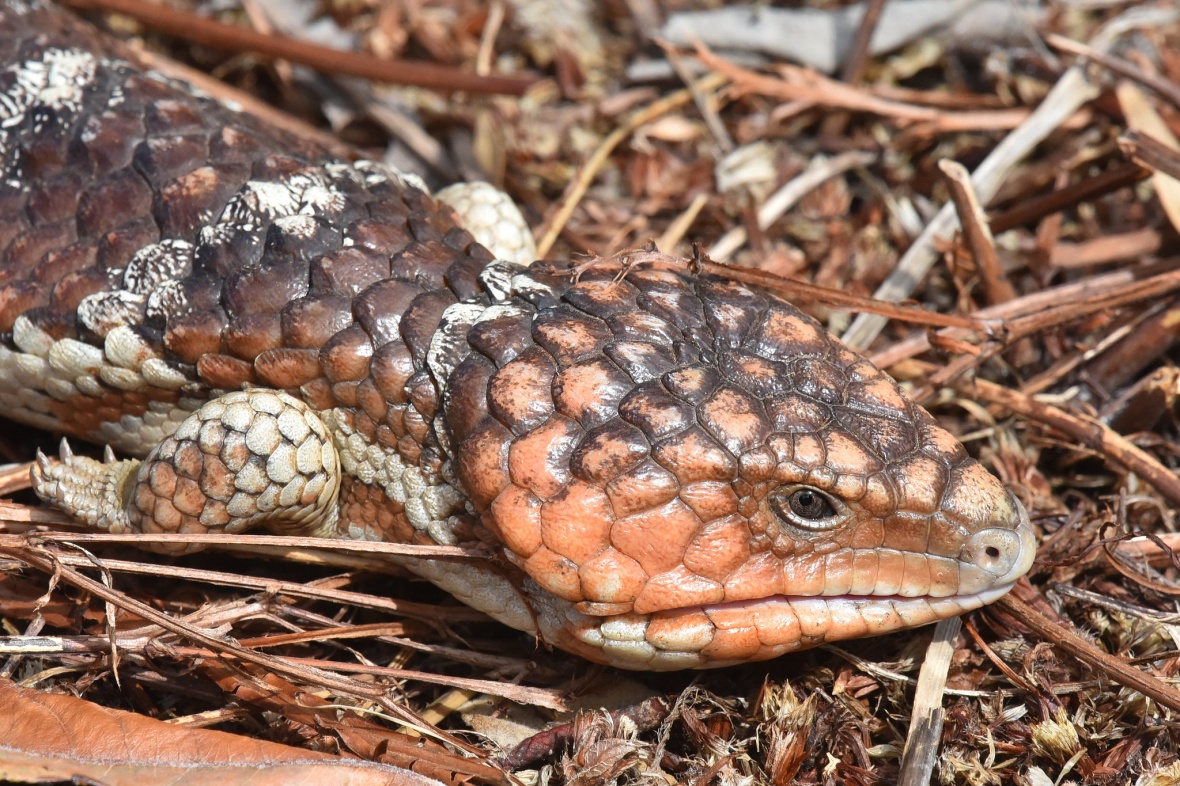
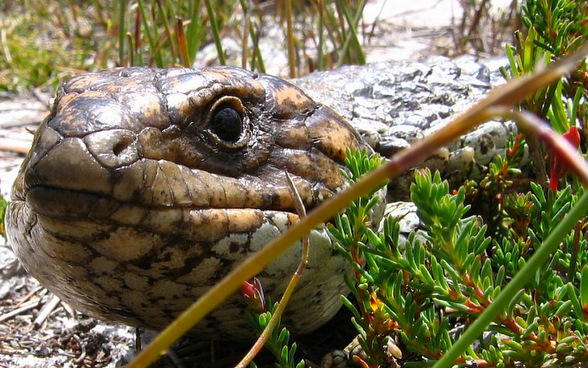
Bobtail Jean and Fred/Flickr

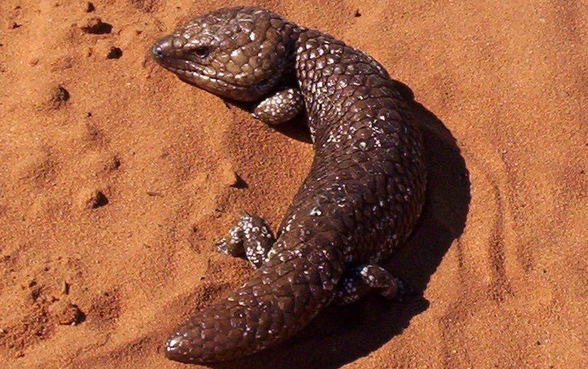
Bobtail

Did You Know?

  • The Bobtail is one of the largest and most well-known skinks in Australia
FactBox Image

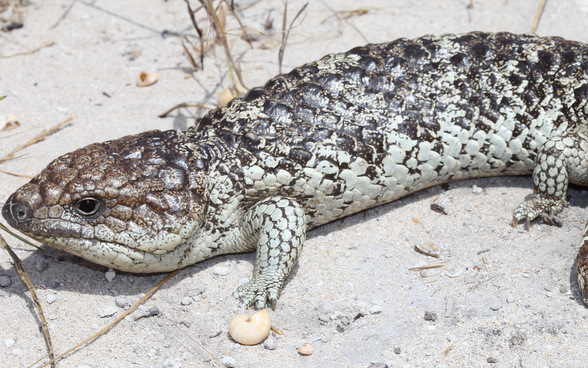
Olive brown to black and has irregular pale bands on the body and tail. The head is often lighter in colour and can have orange flecks on the top and sides.

There are four subspecies with some variations:

  • Eastern Bobtail (Tiliqua rugosa aspera) Similar to western bobtail but with a darker belly, larger body scales and a shorter fatter tail
  • Western Bobtail (Tiliqua rugosa rugosa) Similar to eastern and northern but paler belly and longer tail, larger ear and pale irregular bands on the back
  • Rottnest Island Bobtail (Tiliqua rugosa konowi) Yellow belly.
  • Northern Bobtail (Tiliqua rugosa palarra) Similar to western bobtail with a smaller ear and usually no pale irregular bands on the back

Size

Total length 45cm.

Behaviour

Diet

Mostly things they can swallow such as plant material, especially fruit, insects, slugs, snails, faeces and dead animal carcasses including maggots.

Movement

Slow crawl unless startled.

Breeding

Bobtails live alone for most of the year but between September and November males pursue females and mating occurs. At this time males may fight aggressively among themselves. The same pairs may re-form in the mating season over several years.

Females give birth 3 - 5 months after mating, between December and April. They are able to breed every year if there is sufficient food. They give live birth to 2 or 3 young which are around 22 cm. The young are ready to look after themselves straight after birth and disperse within a few days.

Field Guide

Improve your identification skills. Download your Bobtail guide here!
Species: WhatToObserve Image

What to Observe

  • Basking

  • Feeding

  • Courting/Mating

  • Presence of juveniles

Species: WhenAndWhere Image

When and Where

When To Look

  • September to April
  • September to November for mating couples
  • December to April for juveniles

Where To Look

  • Look in most habitats including disturbed areas
  • Look in a variety of habitats including grasses and leaf litter, gardens and paddocks
  • Basking on roads on warmer days

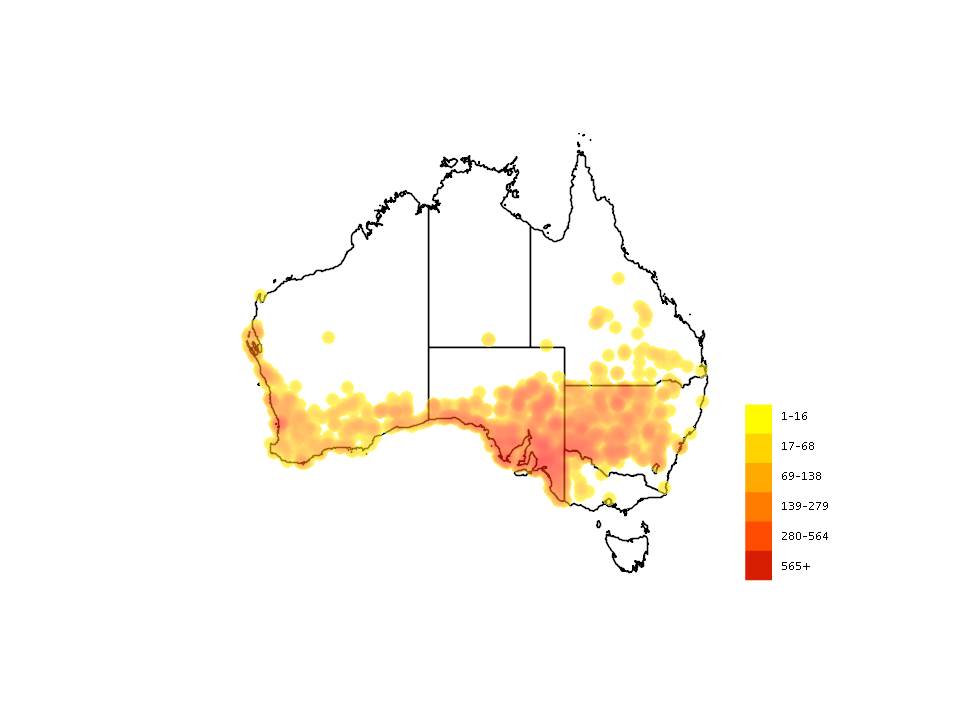
Eastern Bobtail: Nullabor into South Australia, Victoria and NSW but not near the coast

Western Bobtail: Southwest WA,  south of Kalbarri

Rottnest Island Bobtail: confined to Rottnest; look in most habitats ranging from the dunes to disturbed areas

Northern Bobtail: Edel Land, Peron Peninsula and Dirk Hartog Island, Shark Bay

Species: WhatElse Image

What Else?

Herpetologists claim this species has more common names than any other lizard, including shingleback, stumpy tail, sleepy lizard or boggi.

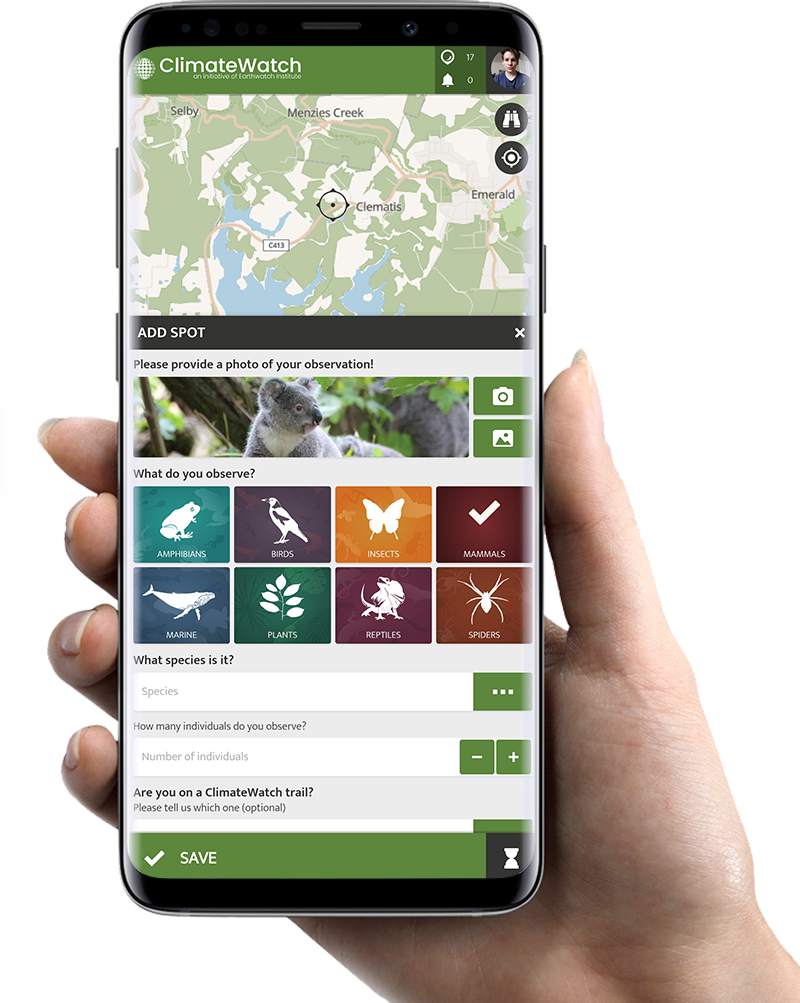
ClimateWatch smartphone app

Step 1: Citizen Science App Download

App Download

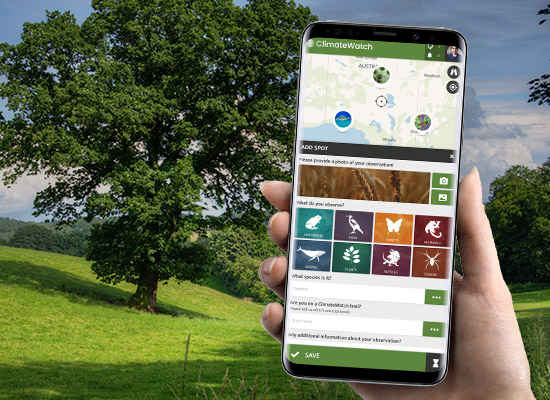
Download and install the free App on your Android device or on your iPhone via the App Stores linked below
Step 2: Register your SPOTTERON Citizen Science user account

Register

After starting the App, you can register your own user account on the platform with just your email address.
Step 3: Login and contribute in the Citizen Science App

Start!

Start observing! You are automatically logged-in after registering and you can add your first spot right away.


Download the App on your smartphone now or open the map in your browser:

 Badge App Download Android Badge App Download iPhone Open map

Latest Contributions

Dhruvi
Date: 09.06.2026

Dhruvi
Date: 09.06.2026

Dhruvi
Date: 09.06.2026

Dhruvi
Date: 09.06.2026

Dhruvi
Date: 09.06.2026

Dhruvi
Date: 09.06.2026

Dhruvi
Date: 09.06.2026

Dhruvi
Date: 09.06.2026

Shannon Anstee
Date: 09.06.2026

Janet Brown
Date: 07.06.2026


See more Spots on the map