



CWA_Sunset_4k.jpeg
ClimateWatch App
Download the
CWA_Sunset_4k.jpeg
Slide Two
Slide Two
previous arrow
next arrow

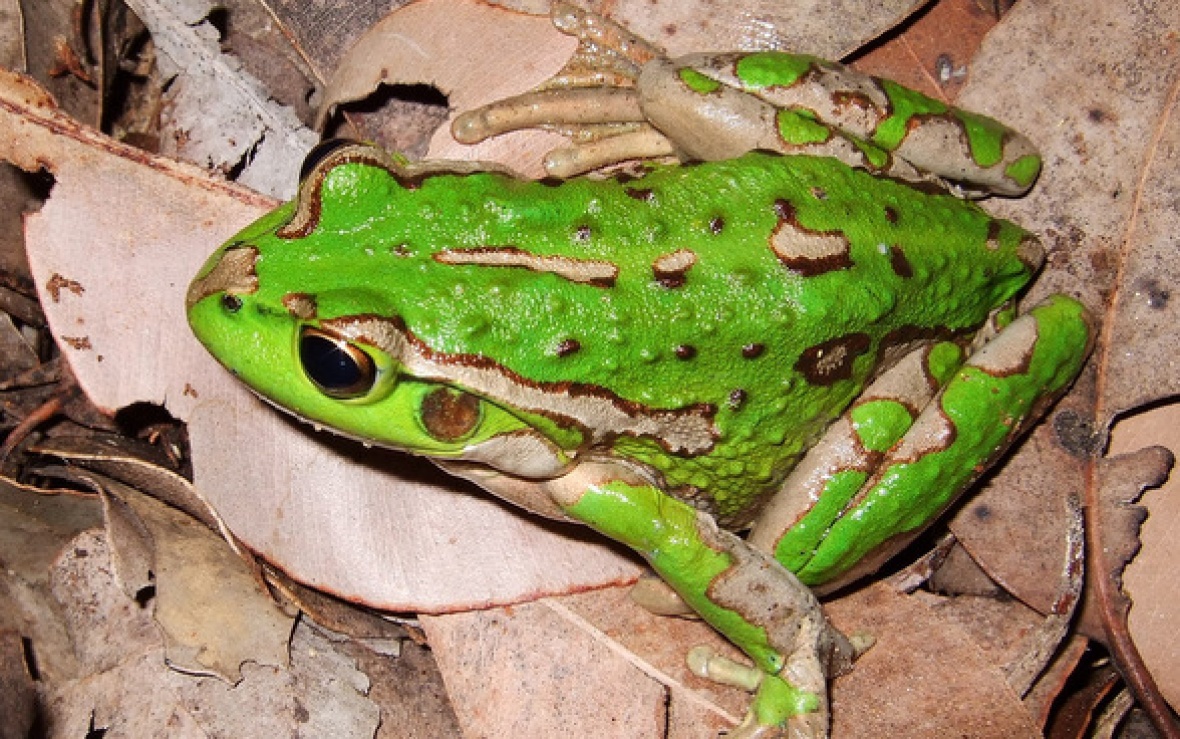
Motorbike Frog

Did You Know?

  • Early stage tadpoles sometimes swim in schools
  • In mating season the male develops black nuptial pads that enable it to cling to the female’s back during amplexus (a form of pseudocopulation)
FactBox Image

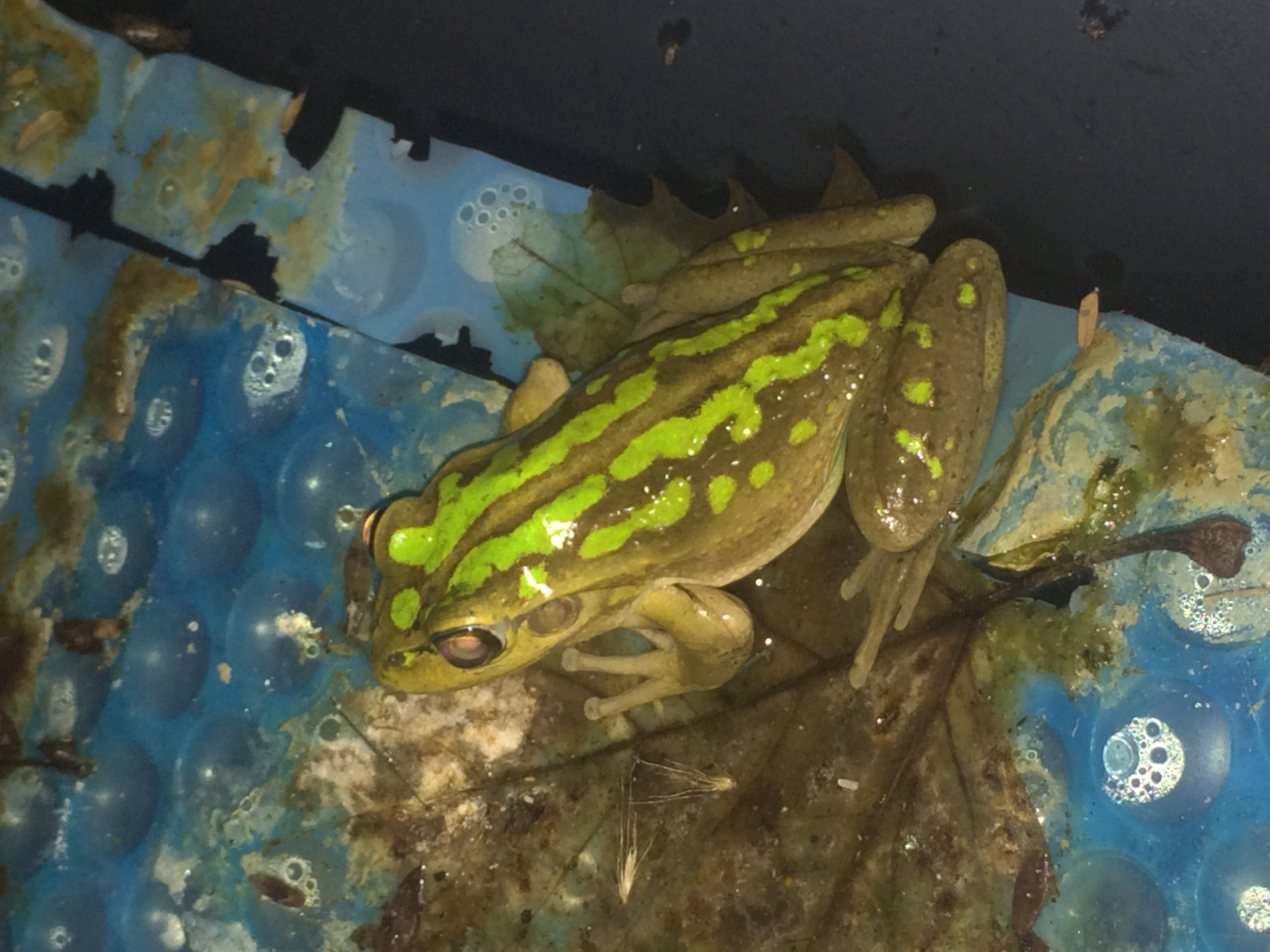
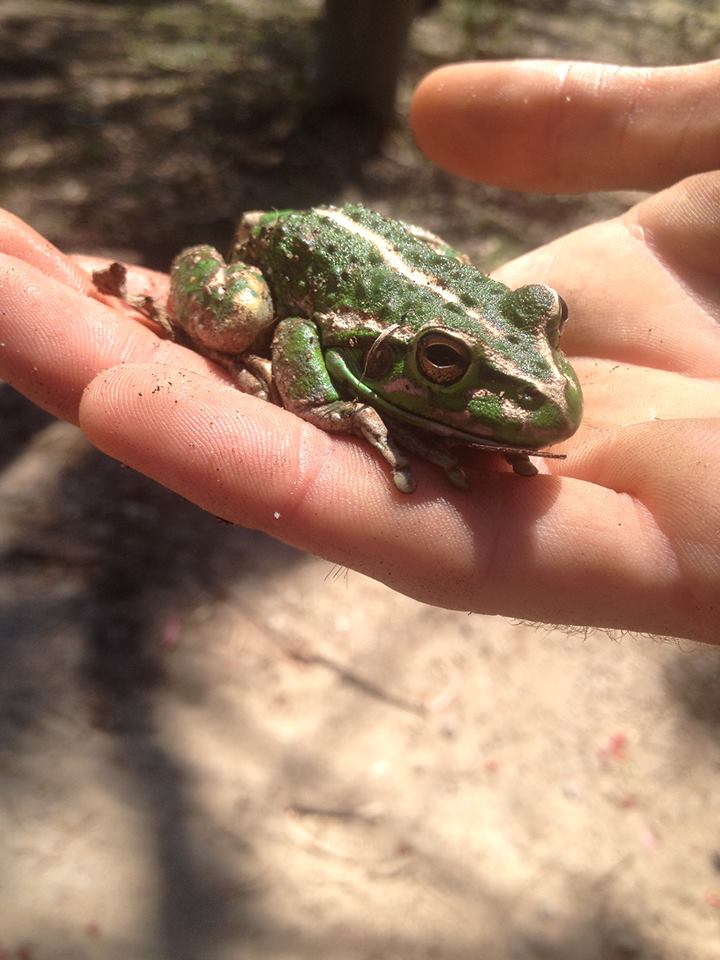
The motorbike frog is a ground-dwelling tree frog found in Southwest Australia. It gets its name from the male frog's mating call, which sounds like a motorbike riding past and changing gears. Other common names are Moore's frog, the western bell frog, western green and golden bell frog, and western green tree frog.

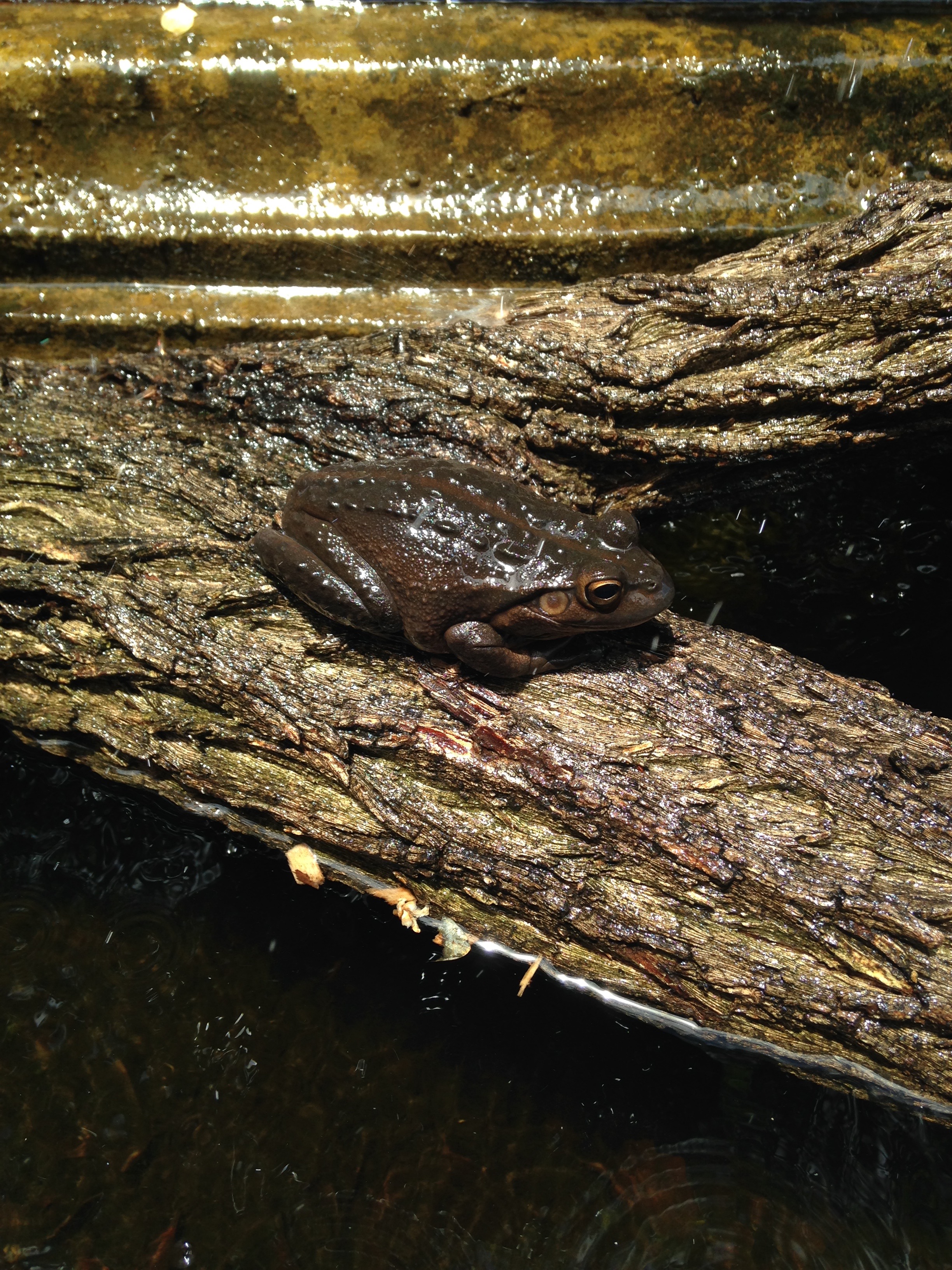
Back is green with gold mottling (after basking in sunlight). Can be almost dark brown in colder conditions. The underside usually ranges from very pale green to light brown.

Tadpoles

Large translucent yellow with darker areas. As they develop they become darker with deep fins and a pointed tail tip.

Distinctive feature

A dark stripe runs from the snout, over the eye and tympanum (tight membrane covering the entrance to the ear) to the forearm insertion.

Size

Males 4.7 – 7.1 cm, females 5.3 – 7.8 cm.

Behaviour

Call

Has two components: The first sounds like a long low growl - similar to a motorbike changing gears, the second part sounds like a series of low growls.

Listen to the Motorbike Frog call © Dale Roberts

Diet

Mainly arthropods but also smaller frogs same species juveniles. Tadpole diet is mainly algae

Movement

Despite being a tree frog rarely climbs higher than one or two metres.

Breeding

Starts in early spring and can continue into summer. A large number of eggs are laid in clumps attached to floating or slightly submerged vegetation. Larvae can be found throughout summer. Metamorphosis is often as late as April. Tadpoles are dark with deep fins and a pointed tail tip.

Field Guide

Improve your identification skills. Download your Motorbike Frog field guide here!
Species: WhatToObserve Image

What to Observe

  • Calling

  • Courting/Mating

  • The appearance of eggs

Species: WhenAndWhere Image

When and Where

When To Look

  • September - April

Where To Look

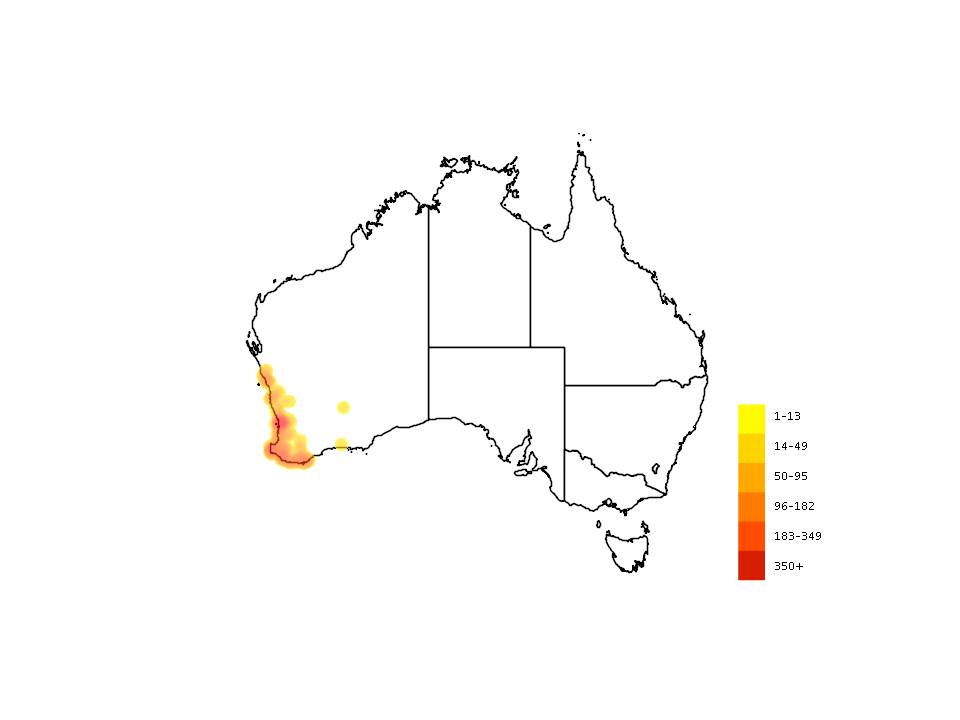
  • South West Australia, from Murchison river south and east to Pallinup River and inland to Three Springs, Dalwallinu and Lake Dumbleyung
  • A small population is present on Rottnest Island
  • Look and listen around swamps, lakes, dams and backyard ponds and swimming pools
  • Also in permanent water bodies that have lots of vegetation
Species: WhatElse Image

What Else?

The Spotted-thighed Frog Litoria cyclorhyncha doesn’t have the blue-green colour in its groin, instead it is replaced by bold black and white spots.

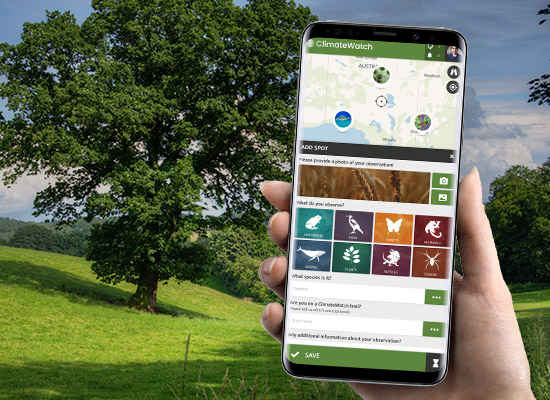
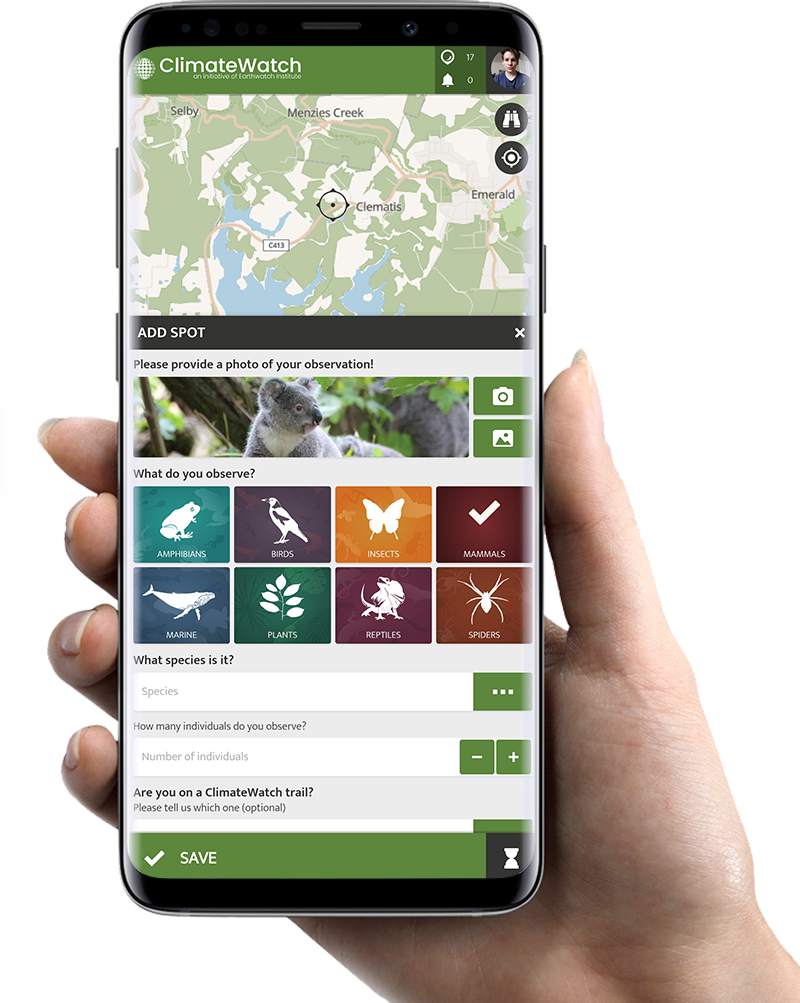
ClimateWatch smartphone app

Step 1: Citizen Science App Download

App Download

Download and install the free App on your Android device or on your iPhone via the App Stores linked below
Step 2: Register your SPOTTERON Citizen Science user account

Register

After starting the App, you can register your own user account on the platform with just your email address.
Step 3: Login and contribute in the Citizen Science App

Start!

Start observing! You are automatically logged-in after registering and you can add your first spot right away.


Download the App on your smartphone now or open the map in your browser:

 Badge App Download Android Badge App Download iPhone Open map

Latest Contributions

nalukenschoolyear9
Date: 15.06.2026

nalukenschoolyear9
Date: 15.06.2026

nalukenschoolyear9
Date: 15.06.2026

nalukenschoolyear9
Date: 15.06.2026

nalukenschoolyear9
Date: 15.06.2026

nalukenschoolyear9
Date: 15.06.2026

Snowowl
Date: 10.06.2026

Snowowl
Date: 12.06.2026

Evelyn Scott School, Yr7 2026
Date: 13.06.2026

Kelly1
Date: 15.05.2026


See more Spots on the map