
Marine
As a result of climate change, warm tropical ocean currents are expected to strengthen and persist for longer periods in southern coastal area normally dominated by cooler waters. The consequent increases in water temperature are likely to result in unfavourable growing conditions for cool water algae species, causing a loss of seaweed in some areas.
All marine snails (molluscs) are under increasing stress due to ocean acidification which can weaken their calcium carbonate shells and reduce body condition. This makes them more prone to disease, predation and low reproduction. Increasing water temperature as a result of climate change will likely affect their abundance and cause a southward shift in their distribution.
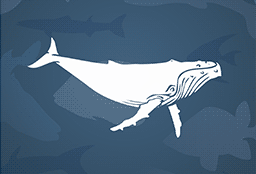
Whales are particularly vulnerable to coastal pollution and human modifications of coastal environments due to their use of shallow waters during calving. They may alter their feeding behaviour, migration and breeding grounds in response to changes in ocean currents, temperatures and increasing human modification of shallow-water coastal areas.
Click on the images below to learn more about the species, their phenophase behaviours, and how to identify them, so you can contribute your ClimateWatch observations.